Ghubly Script Font Review
First Impressions: A Touch of Elegance
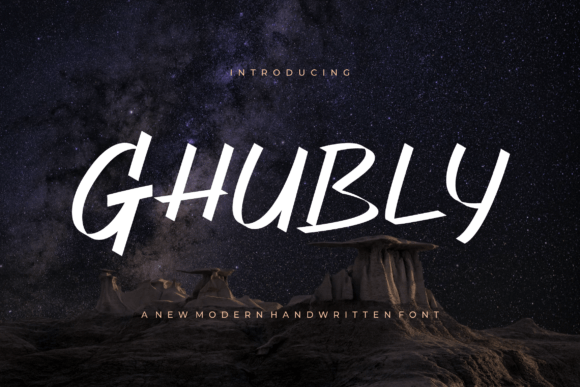
When I first saw Ghubly, it immediately felt like a breath of fresh air in the world of script fonts. There’s something undeniably graceful about its curves and the way each letter flows into the next. It carries a soft, romantic mood that feels both modern and timeless. The personality of this font is gentle yet expressive, making it feel like the perfect companion for creative projects that need a touch of sophistication without being too over-the-top.
The visual character of Ghubly suggests it belongs in spaces where emotion and elegance are key. It naturally fits into branding for lifestyle, fashion, or beauty niches—anything that leans on aesthetics and personal expression. Its design feels hand-crafted, which gives it an authentic warmth that digital fonts often lack.
Real-World Performance: From Logo to Merchandise
Ghubly has shown itself to be a versatile player in a variety of design scenarios. In logo design, it brings a unique flair that can elevate a brand identity from generic to memorable. When paired with a clean serif font or a crisp sans serif font, it adds just the right amount of texture without clashing.
In packaging design, Ghubly shines as a decorative element, especially when used sparingly on product labels or premium packaging. It adds a sense of luxury and attention to detail, which can help build brand recognition and customer trust. For social media graphics, it works well for short phrases or captions that need to stand out, such as quotes or promotional lines.
On the web, Ghubly performs admirably in web design elements like headers and call-to-action buttons, provided it's not overused. It can add a stylish touch to website headers or blog graphics without compromising readability. In printable products, it looks great on invitations, merchandise, and even Canva templates or Cricut projects that require a more artistic feel.
For editorial design, Ghubly can be a great choice for pull quotes or section titles, but should be used carefully to avoid overwhelming the reader. It's also worth noting that Ghubly pairs well with other display fonts and handwritten fonts when creating font pairing combinations that balance creativity and clarity.
Where to Use with Caution
While Ghubly is beautiful, it's not a font for every situation. It's best reserved for large headlines, short phrases, and brand marks where its flow and style can be fully appreciated. Using it in long blocks of text could lead to fatigue and reduce readability, so it's ideal for supporting text rather than body copy.
When using Ghubly in digital ads or website headers, test it at smaller sizes to ensure legibility. Also, consider how it interacts with other typefaces—especially serif fonts and sans serif fonts—to maintain a cohesive brand identity.
For premium packaging or printable design, always check spacing and kerning. Ghubly may require slight adjustments in certain characters to ensure it looks balanced across different formats.
Design Considerations and Best Practices
As a designer, I recommend testing Ghubly in black and white to see how it holds up without color. This helps identify any issues with contrast or legibility, especially in low-resolution contexts.
Check small-size readability if you plan to use it on mobile devices or in print. While Ghubly is elegant, it’s important that it remains clear and easy to read in all scenarios.
Try it on real mockups, whether for a client project or your own work. Seeing how it looks in context—like on a t-shirt, business card, or poster—can reveal nuances that aren’t obvious on screen.
Compare uppercase and lowercase versions to understand how they affect hierarchy and emphasis. Also, review spacing between letters to make sure it doesn’t look crowded or too loose, depending on the application.
Test Ghubly beside other common typefaces like a serif font, sans serif font, script font, or handwritten font to see how it interacts. This will help you find the best font pairing for your project.
Finally, confirm commercial licensing before using Ghubly in client or business work. As a commercial font, it’s essential to ensure you have the right permissions to use it in digital products, brand identity, or design assets.
A Final Word on Ghubly
Ghubly is a strong addition to any designer’s toolkit, especially for those working in areas that benefit from a softer, more expressive typeface. It’s not a one-size-fits-all solution, but when used thoughtfully, it can bring a unique visual mood to your work.
If you're looking for a creative font that blends elegance with usability, Ghubly is definitely worth exploring. Just remember to pair it wisely, test it thoroughly, and use it in places where its strengths can shine through—without overshadowing the message you want to convey.