Mandha Serif Font for Web Design
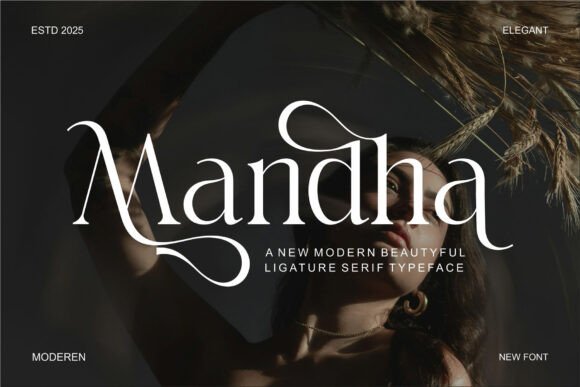
Mandha is a serif font that brings a sense of classic elegance into modern web design. Its graceful serifs and balanced proportions make it ideal for creating visual harmony in digital layouts. As a web designer, I've found that Mandha works well in various contexts, from hero sections to body text, offering a refined look without sacrificing readability.
Visual Characteristics and Style
Mandha features finely crafted letterforms that give it a polished appearance. The font has a contemporary refinement that complements both traditional and modern design aesthetics. Its clean lines and subtle details make it versatile for a wide range of projects, including brand-focused web experiences and editorial designs.
The personality of Mandha is professional yet approachable, making it suitable for websites that aim to convey trust and sophistication. Whether used for a boutique online store or a coaching website, Mandha adds a touch of elegance that enhances the overall user experience.
Using Mandha in Web Layouts
Mandha can be effectively used in various parts of a website. For instance, it works well as a header font for creative portfolios or product landing pages. The font's strong presence makes it an excellent choice for call-to-action areas where emphasis is needed.
In landing pages, Mandha can help establish a clear visual hierarchy. Using it for section headings allows content to be easily scannable while maintaining a cohesive look. When paired with a simple sans serif font for body copy, Mandha creates a balanced contrast that improves readability and engagement.
For online shop banners and blog graphics, Mandha adds a layer of sophistication. It pairs nicely with bold colors and high-contrast backgrounds, ensuring that the text remains legible even in complex visual compositions.
Readability and User Engagement
One of the key considerations when choosing a font is its impact on readability. Mandha is designed with balanced proportions that make it easy to read on both desktop and mobile screens. This is crucial for responsive layouts where text needs to remain legible across different device sizes.
On small buttons and image overlays, Mandha maintains clarity without becoming too dense. Its use in dark or light backgrounds also ensures that the text remains visible and accessible. By enhancing readability, Mandha contributes to better user engagement and a more professional brand impression.
Font Pairing and Brand Identity
Font pairing plays a significant role in achieving a cohesive design. Mandha, being a serif font, can be paired with a sans serif font for body text to create a harmonious contrast. This combination is especially effective in editorial designs, where the distinction between headers and body text helps guide the reader's eye through the content.
When building a brand identity, consistency is key. Mandha offers a consistent typographic presence that reinforces brand tone and professionalism. It can be used across all digital assets, from social media graphics to packaging design, ensuring a unified visual language.
Practical Applications and Examples
Mandha is particularly useful in creative portfolio sites where a strong visual identity is essential. It works well for showcasing work in a way that feels both professional and artistic. Similarly, in course sales pages or product landing pages, Mandha helps create a sense of authority and credibility.
For a boutique online store, Mandha can be used in hero sections to draw attention to featured products. In blog headers, it adds a touch of sophistication that aligns with the editorial tone of the content. Digital brand kits often include Mandha as a primary font due to its versatility and aesthetic appeal.
Considerations for Web Use
Before implementing Mandha in a project, it's important to check the available styles, file formats, and webfont availability. Ensuring that the font supports multiple weights and alternates can enhance its usability across different design elements.
Additionally, verifying multilingual support is crucial if the website targets a global audience. A premium font like Mandha should offer comprehensive language coverage to maintain consistency across all regions.
Commercial font licensing is another consideration, especially for client projects, online stores, and digital templates. Ensuring that the font license covers all intended uses helps avoid legal issues and guarantees seamless integration into brand assets.
By carefully selecting and using Mandha, designers can elevate their digital projects with a refined typeface that supports both functionality and aesthetics. Its adaptability makes it a valuable asset in any web designer’s toolkit, helping to create visually appealing and user-friendly experiences.